Book Appointment Now

The Oncology Physician: A Guide to Their Crucial Role in Cancer Care
Introduction
When facing a cancer diagnosis, one of the most important figures in a patient’s journey is the oncology physician. These specialized doctors are at the forefront of diagnosing, treating, and managing cancer, providing not only medical expertise but also crucial support and guidance.
This article aims to shed light on the multifaceted role of an oncology physician, explaining their responsibilities, specializations, and the vital impact they have on the lives of individuals affected by cancer.
What is an Oncology Physician?
An oncology physician is a medical doctor who has undergone extensive specialized training in the field of oncology – the study and treatment of cancer. After completing medical school, these physicians undertake several years of residency and fellowship programs focused specifically on understanding the complexities of cancer biology, diagnosis, treatment modalities, and supportive care. Their expertise allows them to navigate the intricate landscape of this disease and provide comprehensive care tailored to each patient’s unique situation.
The Multifaceted Role of an Oncologist:
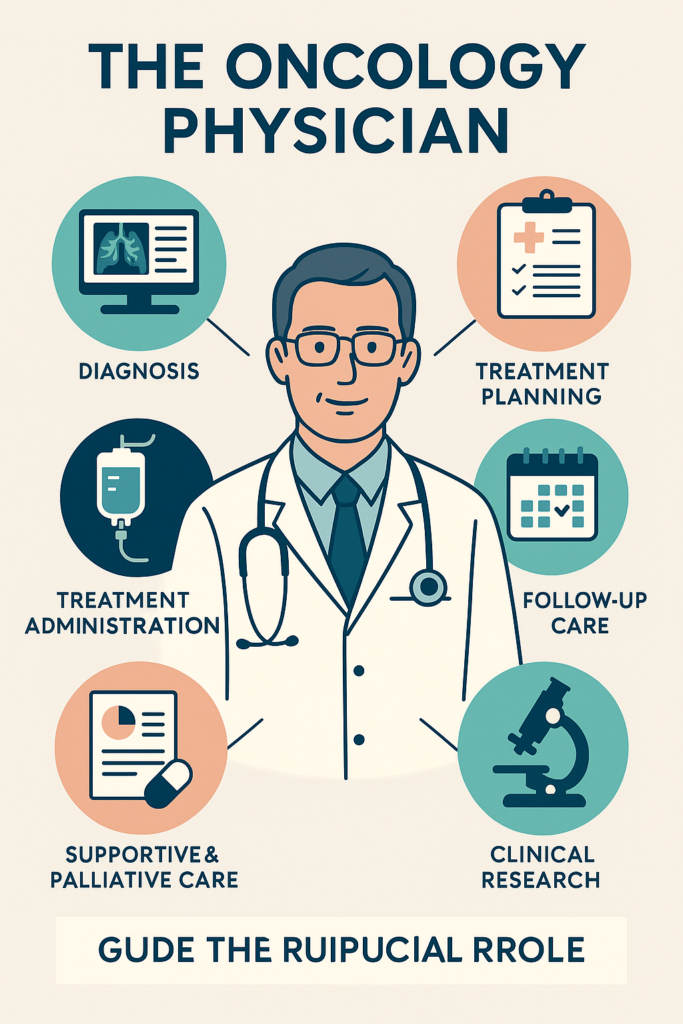
The responsibilities of an oncology physician are diverse and span the entire continuum of cancer care:
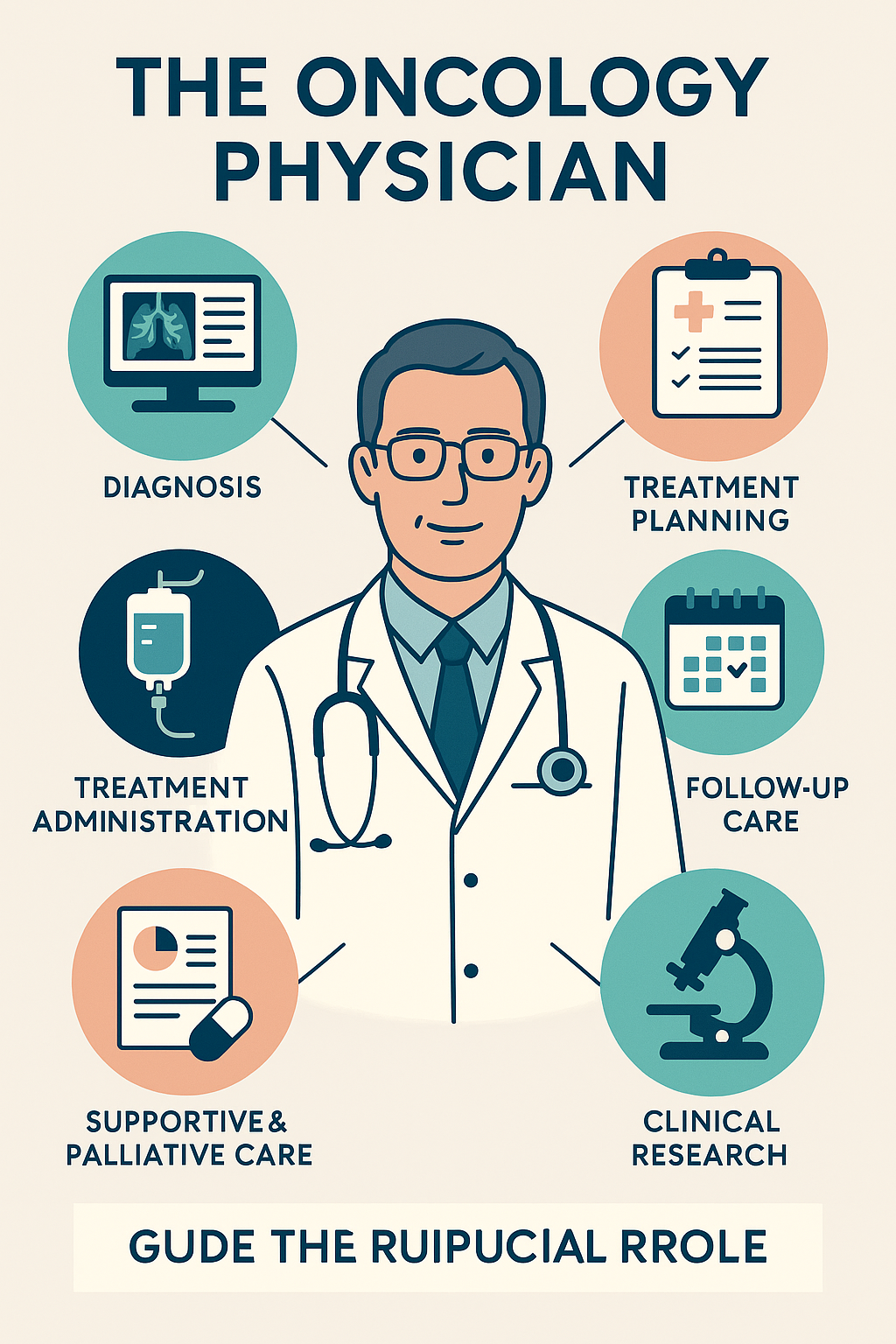
- Diagnosis: Oncologists play a key role in diagnosing cancer. This involves reviewing medical history, conducting physical examinations, ordering and interpreting diagnostic tests (such as imaging scans, biopsies, and blood tests), and ultimately determining the presence and type of cancer.
- Treatment Planning: Once a diagnosis is made, the oncologist develops a personalized treatment plan. This involves considering the type and stage of cancer, the patient’s overall health, and their preferences. Treatment plans can include a combination of modalities such as:
- Chemotherapy: Using drugs to kill cancer cells throughout the body.
- Radiation Therapy: Using high-energy rays to target and destroy cancer cells in a specific area.
- Surgery: Physically removing the cancerous tumor and surrounding tissue.
- Hormone Therapy: Blocking or reducing hormones that fuel certain cancers.
- Targeted Therapy: Using drugs that specifically target abnormalities in cancer cells.
- Immunotherapy: Helping the body’s own immune system fight cancer.
- Stem Cell Transplantation: Replacing damaged bone marrow with healthy stem cells.
- Treatment Administration and Management: Oncologists oversee and manage the administration of cancer treatments, closely monitoring patients for side effects and adjusting treatment plans as needed. They work collaboratively with a team of nurses, pharmacists, and other healthcare professionals to ensure patient safety and comfort.
- Follow-up Care and Surveillance: After active treatment, oncologists continue to monitor patients for any signs of cancer recurrence and manage any long-term side effects of treatment. They develop individualized follow-up schedules and provide guidance on maintaining a healthy lifestyle.
- Supportive and Palliative Care: Oncologists also play a crucial role in providing supportive care to manage symptoms such as pain, nausea, and fatigue, and to address the emotional and psychological needs of patients and their families. In advanced stages of cancer, they may provide palliative care focused on improving quality of life.
- Patient Education and Counseling: A significant part of an oncologist’s role involves educating patients and their families about the diagnosis, treatment options, potential side effects, and prognosis. They provide emotional support and help patients navigate the complexities of their cancer journey.
- Clinical Research: Many oncologists are involved in clinical research, working to develop new and more effective ways to prevent, diagnose, and treat cancer. Their participation in research is vital for advancing the field and improving outcomes for future patients.
Types of Oncology Physicians:
The field of oncology is broad, and many oncologists specialize in specific areas:
- Medical Oncologists: Primarily use chemotherapy, hormone therapy, targeted therapy, and immunotherapy to treat cancer. They often coordinate the overall treatment plan.
- Radiation Oncologists: Use radiation therapy to target and destroy cancer cells.
- Surgical Oncologists: Perform surgeries to remove tumors and surrounding tissue.
- Pediatric Oncologists: Specialize in treating cancers in children and adolescents.
- Gynecologic Oncologists: Focus on cancers of the female reproductive system.
- Hematologist-Oncologists: Specialize in cancers of the blood, bone marrow, and lymphatic system (such as leukemia, lymphoma, and myeloma).
The Importance of the Oncology Physician:
Oncology physicians are more than just doctors; they are often a source of hope and guidance for patients facing a life-altering diagnosis. Their expertise, compassion, and dedication are essential in navigating the complexities of cancer care and improving patient outcomes. They work tirelessly to provide the best possible treatment and support, empowering patients to live as fully as possible throughout their cancer journey.
Conclusion:
The oncology physician plays a central and indispensable role in the lives of individuals affected by cancer. From diagnosis to treatment, follow-up, and supportive care, their expertise and dedication are crucial for navigating the challenges of this disease. Understanding the multifaceted responsibilities and specializations within oncology highlights the vital contribution these physicians make to the fight against cancer.
Sources:
While specific URLs for every point would make the article cumbersome, the information provided is based on general knowledge within the medical field of oncology. For more detailed information, you can consult the following types of reputable sources:
- National Cancer Institute (NCI): (https://www.cancer.gov/) – Offers comprehensive information about all aspects of cancer.
- American Cancer Society (ACS): (https://www.cancer.org/) – Provides patient resources, information about cancer types, treatment, and support.
- American Society of Clinical Oncology (ASCO): (https://www.asco.org/) – A professional organization for oncologists, offering information for both professionals and patients.
- Mayo Clinic: (https://www.mayoclinic.org/) – Offers reliable medical information on various health topics, including cancer.
- UpToDate: (Subscription required) – A comprehensive clinical decision support resource used by healthcare professionals.
For specific details about treatment protocols and the role of oncologists in particular cancer types, you can explore the disease-specific sections of these websites. Remember to always consult with your own healthcare provider for personalized medical advice.